
America’s 250th · July 4, 2026
A principle is like a compass and an anchor.
It guides you as you go and holds you when you must stand firm.
Two hundred and fifty years ago, two million people on the soil we now call America were tired of listening to the King over in England. They took the prospect of fighting him seriously. They had nowhere to go after they were done, if they could finish at all. They didn’t have the thousands of pages of laws and the bureaucracy we have now. They had principles that said the king was wrong.
Washington, Jefferson, Hamilton, and the other founders put their names on paper. Every signature was a treason charge under English law, punishable by death. They wrote a Declaration of Independence. They wrote a Constitution. Both stood on principles.
I’ve watched those same principles at work in my life over the last fifty years. I bet you have too.
Let’s have a conversation.
Countdown to July 4, 2026
0 days remaining
What is the semiquincentennial?
On July 4, 1776, the Continental Congress adopted the Declaration of Independence. On July 4, 2026, the United States of America turns 250 years old. The word semiquincentennial comes from Latin: semi (half) + quingenti (five hundred) + annus (year). It means the 250th anniversary, halfway to 500 years.
This is only the third time Americans have marked a major century milestone of their independence. The first two are remembered. The third is ours.
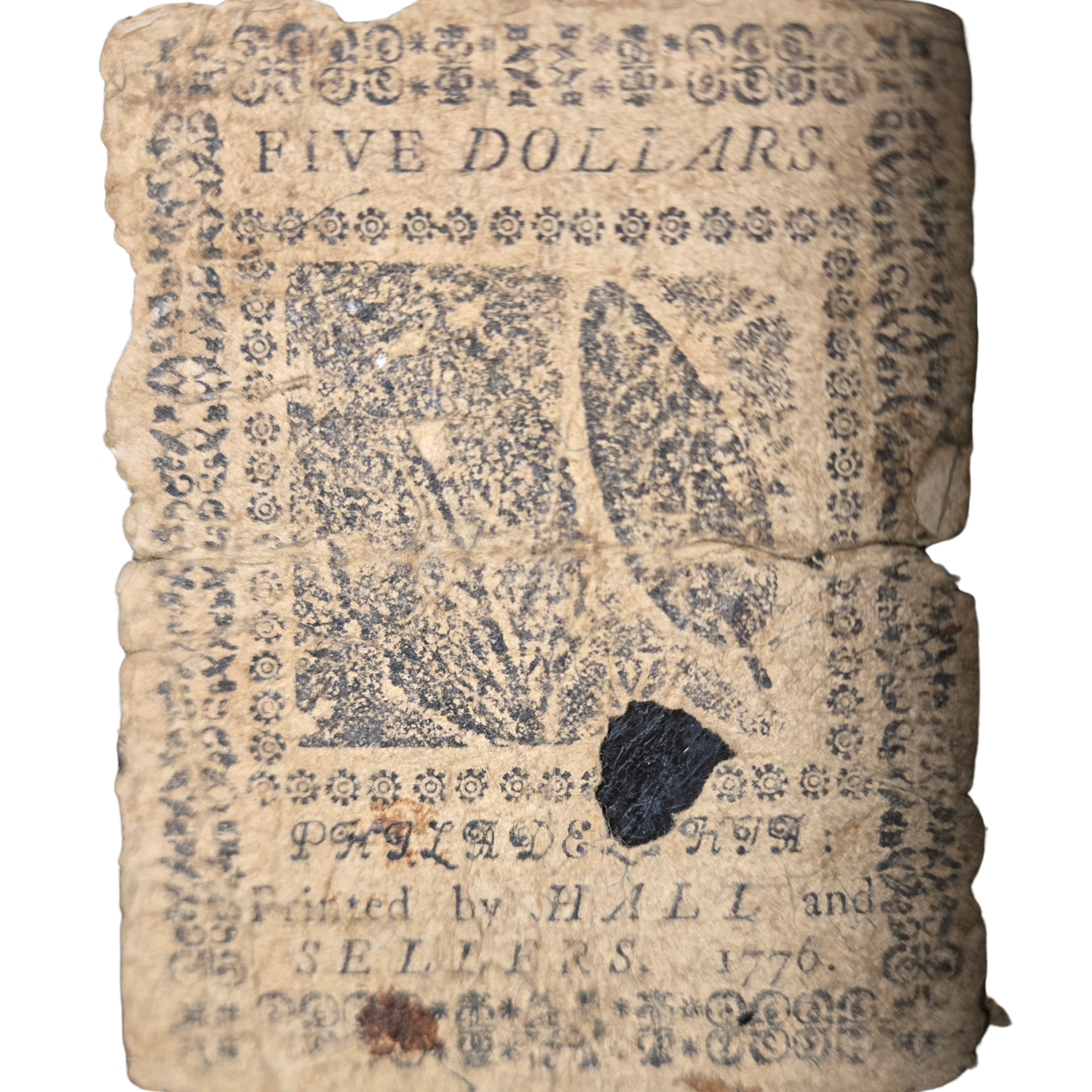
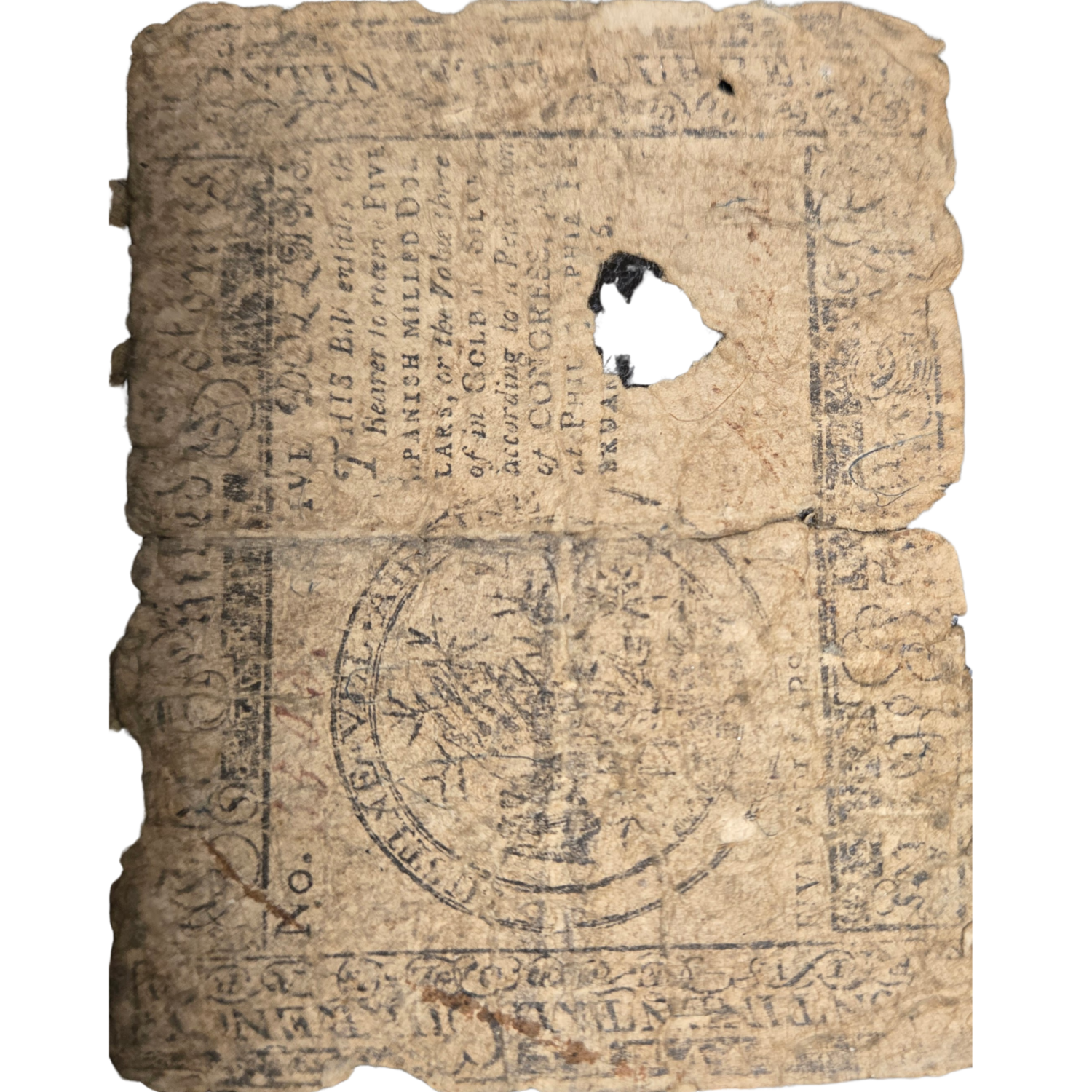
From the desk of Christopher J. Bradley
who was five years old at the Bicentennial, and is keeping the receipts for this one.
A timeline of America’s anniversaries
Three moments in history when Americans paused to celebrate how far they had come, and to ask what comes next.
1876
100 Years of Independence
The Centennial
The Centennial International Exhibition in Philadelphia drew over 10 million visitors, the first large-scale world's fair held in the United States. The right arm and torch of the Statue of Liberty were displayed before the statue was even completed. Alexander Graham Bell demonstrated the telephone. The fair covered 450 acres in Fairmount Park and featured exhibits from 37 nations.
1976
200 Years of Independence
The Bicentennial
Operation Sail brought tall ships from around the world into New York Harbor as millions watched from shore. A Freedom Train carried historic documents across the country. Congress authorized 33 commemorative half dollars. The celebrations helped inspire the 'I Love NY' campaign, which became one of the most recognized marketing slogans in history.
2026
250 Years of Independence
The Semiquincentennial
Your turn. America's 250th anniversary is not just a date on the calendar, it is an invitation. How will you celebrate? How will you pass the founding principles to the next generation? Communities, families, and educators across the country are already preparing. The question is whether you will be among them.
From Zen and the Art of Citizenship
The arc of a republic, in twenty-five ideas.
Each one a compass for where to go. Each one an anchor for what to hold.
A preamble and twenty-five principles, drawn from the founding documents and lived through one citizen’s life.
The Creator, Divine Law, and the Role of Religion
Read more →
Natural Law
Read more →
The Family
Read more →
Education
Read more →
Majority Rule, Minority Rights
Read more →
Moral and Virtuous People
Read more →
Virtuous Leaders
Read more →
Equality for All
Read more →
Unalienable Rights
Read more →
Property Rights
Read more →
National Strength
Read more →
Peace, Commerce, and Friendship
Read more →
Free Market Economy
Read more →
Burden of Debt
Read more →
Governed by Law
Read more →
Popular Sovereignty
Read more →
Alter or Abolish
Read more →
Republic
Read more →
Constitution Structure
Read more →
Written Constitution
Read more →
Local Self-Government
Read more →
Limited Government Powers
Read more →
Separation of Powers
Read more →
Checks and Balances
Read more →
Protect Equal Rights
Read more →
America's Mission
Read more →
Free Printable Guide
How does a family celebrate 250 years?
A free printable guide for parents, grandparents, and educators. Civic activities, conversation prompts, age-banded reading lists, and a countdown to July 4.
Music · Article V
Four founding fathers. Four genres. One republic.
Washington in arena rock. Jefferson in folk. Franklin in blues. Hamilton in hip-hop. Plus Thomas Paine on the side, where he always was.
An original music catalog from Liberty’s Principles Media that puts the founding-era arguments back into the rooms they used to live in: songs you can sing along with.
Listen to the Article V catalogFeatured track
Sovereign Ground
Washington · arena rock · 4:12
Civics Directory
Find civic organizations celebrating the 250th near you.
The Liberty’s Principles Media Civics Directory tracks 51 civic organizations and 45 historical societies across all 50 states. Filter by America 250 programming to see what’s planned in your community.
Browse the Civics Directory →Liberty’s Principles Pals
The next generation learning to read the compass and feel the anchor.
Liberty’s Principles Pals is twenty-nine illustrated children’s books on the founding principles, in the tradition of Liberty’s Kids.
Written by a father for the children of a country that needs them.
Visit libertysprinciplespals.com
The LPM ecosystem
Six products, one mission: civic literacy for every American.
Liberty's Principles Pals
29 illustrated children's books on the founding principles.
VisitZen and the Art of Citizenship
The full-length book on the preamble and 25 principles.
VisitThe Citizen's Compass
Civic education app with a Pocket Constitution and live bills.
VisitCommon Sense Quarterly
9×12 civic-education postcards delivered via USPS EDDM.
VisitWhatLaw.ai
Legal intelligence across 239,000+ law sections.
VisitFair Bill Analyzer
AI-powered legal bill review for overcharges and violations.
Visit